
Jerusalem Day/Nakba Day
Conflict is a zero-sum game

Jerusalem Day and Nakba Day both occur on the same day this year! Which is rather awkward, I am sure—for many people on both sides.
Jerusalem Day, Yom Yerushalayim in Hebrew, is celebrated on the 28th of Iyar in the Hebrew calendar.
This commemorates Israel’s capture of East Jerusalem which occurred during the Six-Day War in June 1967.
In 2026, Yom Yerushalayim begins at sundown on Thursday the 14th May and runs into Friday the 15th of May.
Nakba Day, meanwhile, is commemorated by Palestinians every year on the 15th of May. This marks the nightmare Palestinians experienced in 1948: war, flight and the effective expulsion of hundreds of thousands of Palestinians from the lands that became Israel. Palestinians took this as a very heavy blow. They didn’t expect to lose the war. They assumed that Palestine was a land of Islam—as it had been for more than a thousand years. In many ways, this was a civilisational collapse for Arabs and Muslims.
So: Two calendars. Two peoples. Two national stories. One city. A lot of joy. And also a lot of pain, hatred, and wanton calls for destruction.
Of course, for many Jews, the emotional power of Jerusalem Day is stratospheric. Between 1948 and 1967—during the Jordanian occupation—Jews were cut off from the Old City and the Western Wall. Synagogues in the Jewish Quarter had been destroyed. Jewish access to Judaism’s holiest accessible site was denied. The images of Israeli paratroopers at the Western Wall in 1967 became iconic and meaningful for Israelis (and indeed for many Jews).
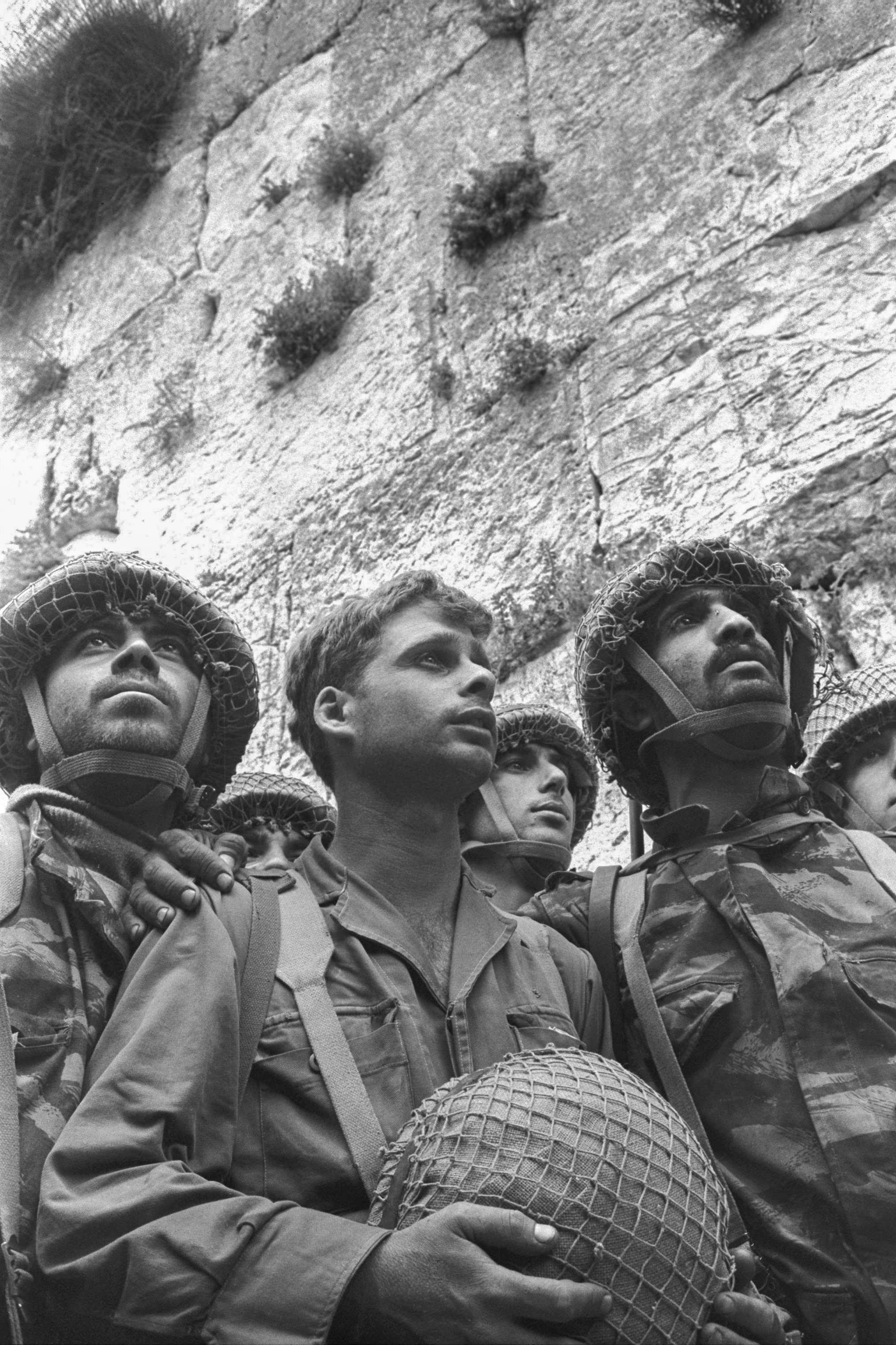
I cannot deny any of this. Personally, I believe that Jordan’s expulsion of Jews and denial of access to their holy sites was utterly wrong. This is rarely recognised or discussed on the Palestinian side. And that too is understandable—for Palestinians have many of our own problems to discuss.
Unfortunately, in recent years, Jerusalem Day parades have seen a growth in radicalism and violent rhetoric, with some participants chanting slogans like “death to Arabs”, and also some actual violence. This continued this year:

This is overwhelmingly sad, although obviously the Standing Together anti-Kahanist counterprotestors deserve some praise for their steadfast counterdemonstrations.
As a Palestinian who also believes that the Jews are our cousins, and we both have an unbreakable connection to the land, I wish that people had less of a zero sum mentality: the idea that if Palestinians are to win, Israelis are to lose. Or vice versa.
I wish that we could share the land in a peaceful manner. I like this approach, because that is the manner in which both sides can win.
